
Course
Main
Duration
1-2.5 hours
If I had a signature dish, this steakhouse goose recipe would probably be it. This is the same method I mentioned on a MeatEater Podcast episode, and a recipe I get a lot of requests to share.
The 2018 conservation hunts left me with a freezer full of snow geese, so I cook this dish regularly. When I have company over, you can almost guarantee this is what I’m serving. I get to free up valuable real estate in the freezer while at the same time completely changing the way people think about the “carp of the sky.” The response is usually a mix of surprise and delight.
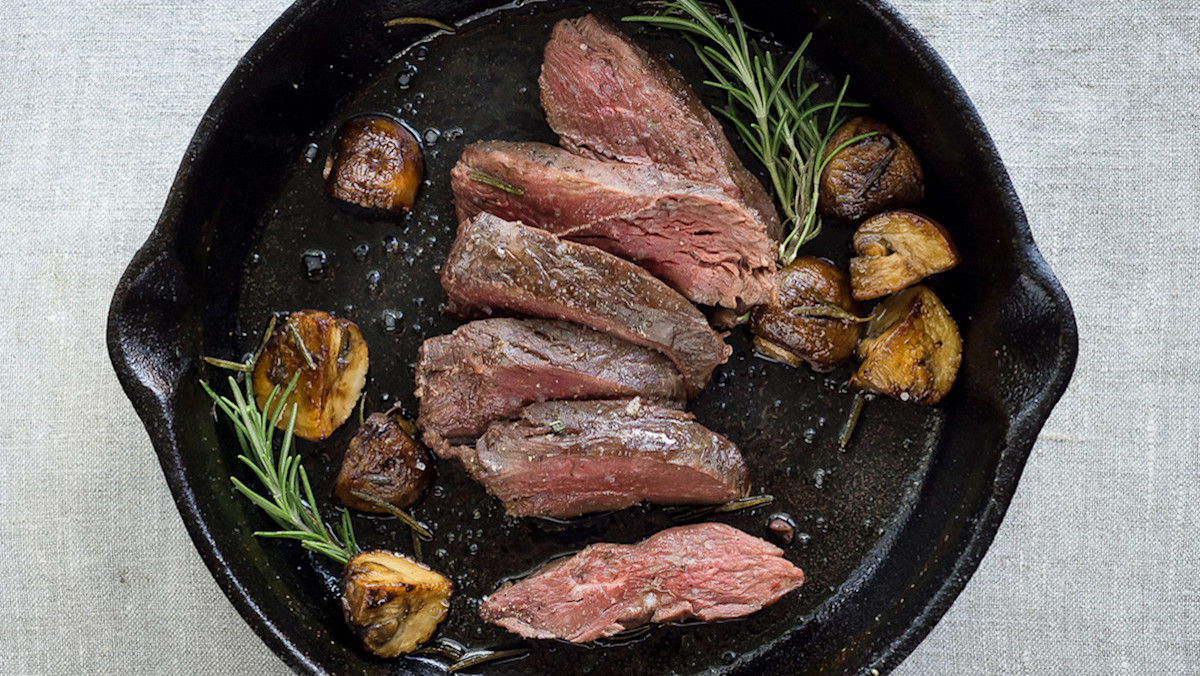
I make this dish using a sous vide device. It keeps the meat tender and incredibly juicy. I program the temperature so that every breast cooks to rare. To finish, I sear each on a cast iron to the desired doneness for each person according to how they like their steak.
Use the recipe below as a guideline. Technically, any species of waterfowl will work, although I favor Ross and snows over Canadas. I usually keep them skinless because it’s nearly impossible to get the skin crispy since it braises in the bag of juices.
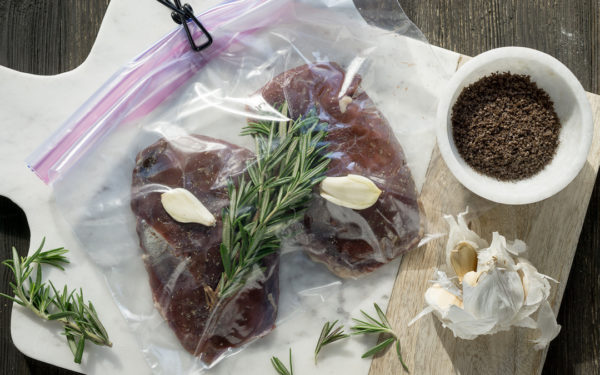
I listed a few options for seasoning. You can stick with your favorite steak rub, or keep it simple with salt and pepper. You can add aromatics and herbs to the bag while cooking to impart some flavor. My favorite addition is a clove of garlic and sprig of rosemary.
The choice of sides and accompaniments is up to you (mine change with the season). During summer, I love finishing with a drizzle of chimichurri. During winter, I find myself going with a traditional steakhouse theme by serving it with cognac browned mushrooms or a red wine reduction.
Ingredients
- Breast of any goose, preferably young
- Favorite steak rub or simple mix of salt and pepper
- Optional aromatics and herbs (garlic, shallot, thyme or rosemary)
- Oil and butter for cooking
- Freezer bags or vacuum sealing bags
Also works with
Special equipment
Preparation
- If possible, season each breast up to 24 hours in advance.
- Drizzle each breast with a small amount of oil or rub with butter. Place inside of a sealable bag with desired aromatics and herbs. I find that 2-3 snow goose breasts will fit inside of a gallon sized bag. Squeeze out as much air as possible or vacuum seal the bag.
- Preheat the container of water with the sous vide device according to the following temperatures: 125 degrees for very rare, 126-127 degrees for rare, 128-130 degrees for medium-rare, 131-132 degrees for medium.
- Once the water has heated, drop the bag of meat into the container. The cook time depends according to the thickness of the meat. The rule of thumb is 30 minutes per 1/2” thickness. However, because they contract slightly, I add 30 minutes of cook time. Cook for 1.5 hours if 1″, 2 hours if 1.5″ and 2.5 hours if 2″.
- For food safety reasons, never cook below 130 degrees for more than 2 1/2 hours.
- Allow the meat to rest 20-30 minutes before searing. If you don’t rest, the internal temp will raise a few degrees after searing. Pat dry with paper towels.
- Heat a cast iron or sauté pan over high heat. Add a drizzle of oil and a tablespoon of butter to the pan. Once butter begins to foam add the breast. Sear for just a brief moment and then flip. Tilt the pan to one side and use a spoon to scoop up the pool of butter and baste it over the breast. Do this a couple times and sear to desired doneness.
Stay in the loop with The MeatEater Newsletter
Shop
Related
Recipes
Five-Spice Goose Skewers
(0)
Recipes
Goose Leg Nachos
(0)
Recipes
Goose Stew
(1)
The comments section requires Functionality cookies. Please enable Functionality cookies in Cookie Settings to view this content.
Steakhouse Goose
Course
Main
Duration
1-2.5 hours
If I had a signature dish, this steakhouse goose recipe would probably be it. This is the same method I mentioned on a MeatEater Podcast episode, and a recipe I get a lot of requests to share.
The 2018 conservation hunts left me with a freezer full of snow geese, so I cook this dish regularly. When I have company over, you can almost guarantee this is what I’m serving. I get to free up valuable real estate in the freezer while at the same time completely changing the way people think about the “carp of the sky.” The response is usually a mix of surprise and delight.
I make this dish using a sous vide device. It keeps the meat tender and incredibly juicy. I program the temperature so that every breast cooks to rare. To finish, I sear each on a cast iron to the desired doneness for each person according to how they like their steak.
Use the recipe below as a guideline. Technically, any species of waterfowl will work, although I favor Ross and snows over Canadas. I usually keep them skinless because it’s nearly impossible to get the skin crispy since it braises in the bag of juices.
I listed a few options for seasoning. You can stick with your favorite steak rub, or keep it simple with salt and pepper. You can add aromatics and herbs to the bag while cooking to impart some flavor. My favorite addition is a clove of garlic and sprig of rosemary.
The choice of sides and accompaniments is up to you (mine change with the season). During summer, I love finishing with a drizzle of chimichurri. During winter, I find myself going with a traditional steakhouse theme by serving it with cognac browned mushrooms or a red wine reduction.
Ingredients
- Breast of any goose, preferably young
- Favorite steak rub or simple mix of salt and pepper
- Optional aromatics and herbs (garlic, shallot, thyme or rosemary)
- Oil and butter for cooking
- Freezer bags or vacuum sealing bags
Also works with
Special equipment
Preparation
- If possible, season each breast up to 24 hours in advance.
- Drizzle each breast with a small amount of oil or rub with butter. Place inside of a sealable bag with desired aromatics and herbs. I find that 2-3 snow goose breasts will fit inside of a gallon sized bag. Squeeze out as much air as possible or vacuum seal the bag.
- Preheat the container of water with the sous vide device according to the following temperatures: 125 degrees for very rare, 126-127 degrees for rare, 128-130 degrees for medium-rare, 131-132 degrees for medium.
- Once the water has heated, drop the bag of meat into the container. The cook time depends according to the thickness of the meat. The rule of thumb is 30 minutes per 1/2” thickness. However, because they contract slightly, I add 30 minutes of cook time. Cook for 1.5 hours if 1″, 2 hours if 1.5″ and 2.5 hours if 2″.
- For food safety reasons, never cook below 130 degrees for more than 2 1/2 hours.
- Allow the meat to rest 20-30 minutes before searing. If you don’t rest, the internal temp will raise a few degrees after searing. Pat dry with paper towels.
- Heat a cast iron or sauté pan over high heat. Add a drizzle of oil and a tablespoon of butter to the pan. Once butter begins to foam add the breast. Sear for just a brief moment and then flip. Tilt the pan to one side and use a spoon to scoop up the pool of butter and baste it over the breast. Do this a couple times and sear to desired doneness.